

Dry Eyes, Hearing Loss & More: Managing Sensory Changes with Pharmacy Solutions
-
 By: Admin
- 09 Jul, 2025
Dry Eyes, Hearing Loss & More: Managing Sensory Changes with Pharmacy Solutions
As we age, changes in vision, hearing, taste, and touch can affect daily comfort and quality of life. While some of these changes are a natural part of aging, pharmacy solutions can help manage symptoms, improve function, and maintain independence. Here’s how to address common sensory issues with practical, accessible options.
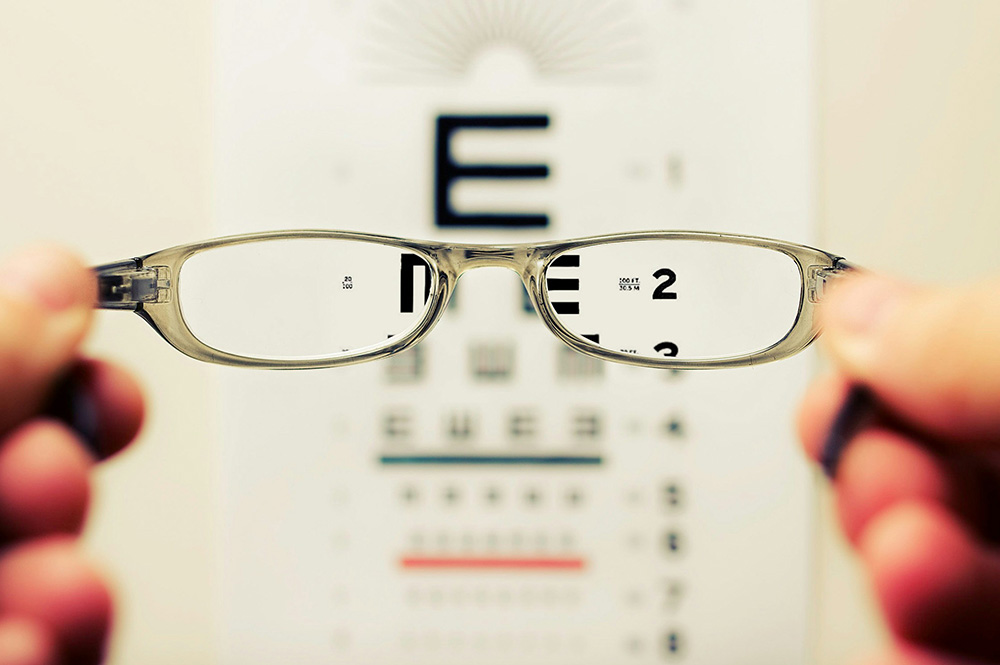
Understanding Sensory Changes
Sensory decline often happens gradually. The tear glands may produce fewer tears, leading to dry or irritated eyes. The tiny hair cells in the inner ear can become damaged, reducing hearing sensitivity. Taste buds can lose sensitivity, and nerve changes may affect touch or balance. Medical conditions, medications, and lifestyle factors can make these issues more noticeable. Recognizing and treating them early can prevent further discomfort and complications.
Managing Dry Eyes
Dry eyes can cause burning, stinging, redness, or a gritty sensation. Pharmacy shelves offer several over-the-counter options that can provide relief.
- Artificial tears: Lubricating eye drops can be used several times a day to relieve dryness. Preservative-free versions are gentler for frequent use.
- Gel drops or ointments: Thicker formulas provide longer-lasting relief, especially overnight.
- Warm compresses: Applying a warm, damp cloth to closed eyes can help improve oil gland function and tear quality.
- Omega-3 supplements: Fish oil or flaxseed oil may support tear production and eye health.
Addressing Hearing Loss
Hearing changes can lead to difficulty following conversations, especially in noisy environments, and can cause social withdrawal. Early intervention makes a difference.
- Hearing amplifiers: Affordable over-the-counter personal sound amplification products (PSAPs) can help in certain situations.
- Earwax removal kits: Softening drops or bulb syringes can address blockages that reduce hearing clarity.
- Hearing aid batteries and maintenance: Pharmacies often carry supplies to keep devices functioning optimally.
- Assistive listening devices: TV amplifiers or phone adapters make daily communication easier.
Supporting Other Sensory Changes
Changes in taste, smell, and touch can also be supported with simple solutions found at the pharmacy.
- Taste and smell: Zinc or vitamin B12 supplements may help if deficiencies are present. Flavour enhancers and spices can make meals more appealing.
- Touch and balance: Hand creams for dry skin, cushioned insoles for shoes, and balance aids like canes or walking poles can improve comfort and stability.
- Skin protection: Sunscreen and moisturizers help protect nerve endings and skin health, supporting touch sensitivity.
When to See a Professional
Pharmacy products can provide quick relief, but professional assessment is essential if symptoms worsen, appear suddenly, or interfere with daily life. Eye exams can detect conditions like glaucoma or macular degeneration. Hearing tests can uncover treatable issues such as wax impaction or the need for prescription hearing aids. A healthcare provider can also check for underlying causes of taste, smell, or touch changes.
Combining Self-Care with Pharmacy Support
For best results, pair pharmacy solutions with healthy habits. Stay hydrated to support eye moisture, limit loud noise exposure to protect hearing, eat a nutrient-rich diet, and keep up with regular checkups. Protect eyes from wind and dust with wraparound glasses, and avoid inserting objects deep into the ear canal to prevent damage.
Bottom Line
Aging may bring changes to our senses, but with the right pharmacy products and self-care routines, it’s possible to stay comfortable, engaged, and independent. From artificial tears to hearing amplifiers and balance aids, accessible solutions can help you adapt to sensory changes while keeping your daily life vibrant and connected.